Sermons on 1 Corinthians

Can you be a Christian without believing in the resurrection? 1 Corinthians 15 shows it is central to the gospel, historically true, and essential for salvation. Discover why the empty tomb changes everything.

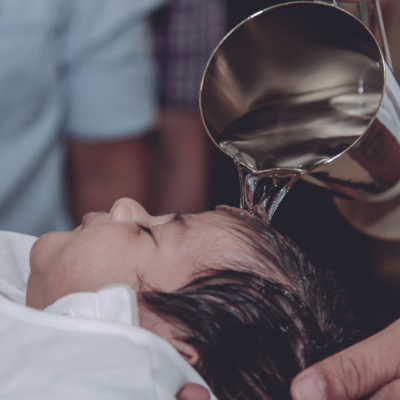
Explore the biblical meaning of baptism as God’s covenant sign of promise and salvation through judgment, connecting the Red Sea crossing to New Testament practice and the inclusion of children in God’s covenant family.
Take your Bible’s now in turn, if you would, to the New Testament reading this morning, 1 Corinthians chapter 10. 1 Corinthians 10, starting at verse one. Once more, give your full attention. This is the word of God. The Lord says through the Apostle Paul, for I do not want you to be unaware,…
Who should receive the sign of baptism? What can we learn from Paul’s first epistle to the Corinthians about the relationship between Noah’s flood, the Exodus, and the New Testament sign and seal of baptism?
Let’s ask the Lord’s blessing upon the sermon and the hearing and reception of his word this morning. Join me in a prayer to do just that. Let’s pray. Gracious Heavenly Father, we come to you again to sit at your feet, to hear your word proclaimed. We pray, Lord, that we would indeed hear…
Well, our studies in 2 Corinthians continue this morning. We come to chapter 10. Paul has been writing, as we have seen, about his ministry. And we’ve seen that the first part of this letter, Paul has had to define, had to defend himself, define and defend his ministry. And in doing so, he has…